

Register your decision
Most of us would accept an organ if we needed one, so why not register to donate yours?
Organ Donation Week takes place from Monday 21 September to Sunday 27 September and Katie, mum of three, is sharing her story to urge people to consider organ donation.
Katie said: “I’ll never forget getting that call. My children were asleep in bed, and I left for the hospital without waking them to say goodbye. I didn’t want them to be frightened, and I wanted them to wake up and go to school the next morning as normally as possible.”
There are currently 8,683 people in the UK waiting for a transplant and the reality is that some will die or become too ill to receive a transplant. This is why it is so important for more people to register their decision and speak to their family about their wishes.
Sharon Uhrig, Organ Donation Liaison Nurse at NCIC, said: “We want everyone to make their own decisions about donation. The law changed in 2020 meaning people are considered to want to donate unless they have registered an objection. Most families who don’t know the wishes of their loved ones will refuse donation whereas 9 in 10 families support organ donation going ahead if they knew what their loved one wanted. I would urge everyone to have a donation discussion with their nearest and dearest, so if the worst does happen you know what they would want.”
One person donating after their death can provide life-saving transplants for up to 9 recipients; restore eyesight for up to 4 people; and prevent another 6 people from going blind. They can also transform lives of a further 40 people through transplanting heart valves, tendon, ligaments, bone or blood vessels and in many cases, lives are saved after severe burns by having donated skin grafts. Donation after death is a life-changing gift.
Katie shares her story
Nine years ago, mum of three Katie, received a life-saving liver transplant, and now she is urging others to consider registering to be an organ donor.
Katie was just 31 when she was diagnosed with primary biliary cholangitis (PBC), a long-term condition in which the bile ducts in the liver become progressively damaged. After developing severe and persistent itching, Katie underwent blood tests which eventually led to her diagnosis.
Over th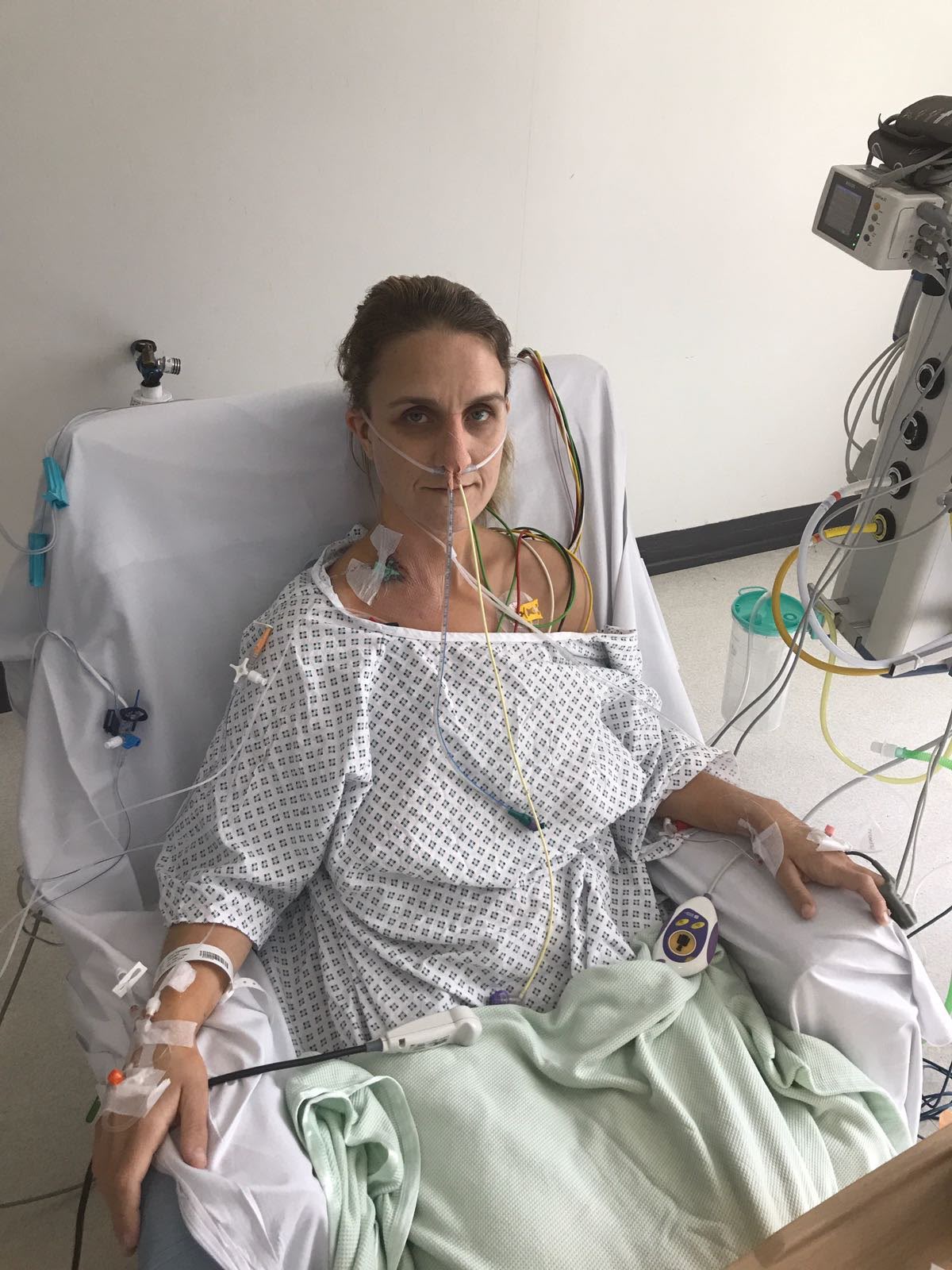 e following three years, Katie’s condition progressed and her health gradually deteriorated. She experienced relentless itching and severe fatigue, which increasingly affected her everyday life. The week before Christmas in 2016, she was placed on the transplant waiting list. As a young mum with three children, she then faced an anxious wait for a donor liver to become available.
Katie said: “Waiting for a transplant was frightening because there was so much uncertainty. I had three young children and all I wanted was to be there to watch them grow up. As I became more unwell, there was always that fear that I could become too ill to receive a transplant before the right donor was found. The itching became unbearable. It was relentless and got to the point where it was almost impossible to think about anything else. The fatigue was overwhelming too. It wasn’t just feeling tired, it was an exhaustion that affected everyday life and made even normal things difficult. I became jaundiced too and could see myself becoming more visibly unwell. It was a really difficult time, but I had my family to focus on, and I just kept hoping that the call would come.”
Then, in the middle of the night on 3 July 2017, Katie received the phone call she had been desperately waiting for. A donor liver had become available.
She said: “I’ll never forget getting that call. My children were asleep in bed, and I left for the hospital without waking them to say goodbye. I didn’t want them to be frightened, and I wanted them to wake up and go to school the next morning as normally as possible. My recovery was thankfully quite straightforward in terms of having no major complications, but recovering from a liver transplant is still a huge thing for your body and mind to go through. There were difficult days, and it took time to rebuild my strength and adjust to life after such major surgery. I also had to get used to taking medication every day and the reality that having a transplant doesn’t mean everything instantly goes back to normal.
“But gradually I became stronger and started to feel like myself again. I was able to get back to being a mum, return to work and begin living my life again. After spending so long becoming increasingly unwell and not knowing what the future held, being able to do those everyday things again felt incredibly significant.
“Nine years later, it’s difficult to put into words how grateful I am to my donor and their family. Because of their decision, I have been able to watch my children grow up, spend another nine years with my husband and family, work, travel and experience so many ordinary moments that I might otherwise never have had. Those ordinary moments mean everything when you know they were never guaranteed.
“I think about my donor and their family often. At what must have been an incredibly difficult time for them, their decision changed not only my life, but the lives of everyone who loves me too. I will never take that gift for granted.
“If sharing my story makes even one person have a conversation with their family about organ donation, then it is worth it. Most of us would hope an organ was available if we or someone we loved desperately needed one. Registering your decision and, just as importantly, making sure your family knows your wishes could one day give another person the chance I was given.”
Although, incredibly sad, many families of organ donors also find extreme comfort in the gift of life their loved ones have given to others. Lana Maddison was just 19 when she died, but mum Lisa, explained that she knew exactly what Lana would have wanted. She said: “We are immensely proud of Lana, not only the career she chose in life as a nurse but also how a beautiful young girl chose to help others after her death. Knowing this has brought comfort to us as a family, she gave the greatest gift, life to others.”
As part of the week, we have asked local landmarks to light up pink as part of the national Turn the Skies Pink campaign. We expect to see lit up:
- Carlisle Cathedral
- The Whitehaven Harbour
- Theatre by the Lake
There will also be some community events, which are free to come along to, to raise awareness, including:
Thursday 24th September
- 7am to 4pm: Pink themed relay run from the Cumberland Infirmary to Keswick Rugby Club
- 7pm: The Organ Donation Music Event, will take place at Keswick Rugby Club
Saturday 26th September
- 12midday to 3pm: “Dip for Donation” – Cold dip and sauna to raise awareness for Organ Donation at Fahrenhut Sauna, Park Foot Campsite