

Lung health checks
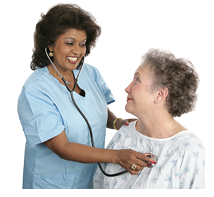
Lung health checks are being offered to people in your area, aged between 55 and 75, who smoke or used to smoke.
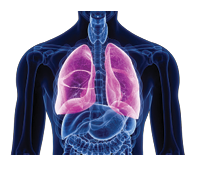
You have been offered this check because we want to find out how well your lungs are working.

A lung health check can help find problems early - often before you notice anything is wrong.
Bringing Friends

You can bring a friend, family member or partner with you to the lung health check.
What happens at a lung health check
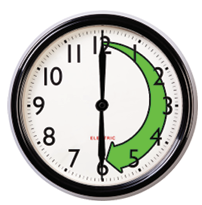
Your lung health check will take about 30 minutes.

The nurse will ask you some questions about your breathing.
They will ask you about your everyday life, your family and your health.
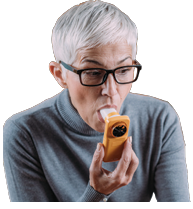
You will be asked to blow into a hand-held machine called a spirometer to see how well your lungs are doing.

The nurse may talk to you about having a lung scan.
A lung scan checks for lung cancer.
Your information
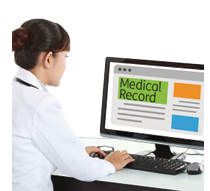
We will ask you if we can share your lung health check information.
Asking questions
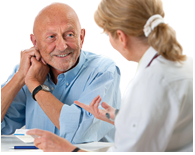
We will make sure that you have plenty of time to chat to the nurse to ask questions.
Different to NHS health checks
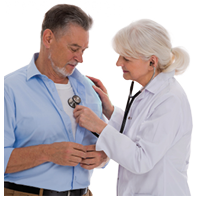
NHS lung health checks are different to NHS health checks.
Even if you've recently been for a health check, you should still think about going to your lung health check.
The result of your lung health check
At the end of the lung health check we will tell you:
1. No problems found

We will write to your doctor so they know about the check.
2. Go and see your doctor
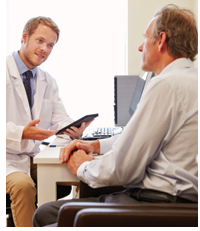
If we find problems with your breathing or lungs, the nurse may suggest you go and see your doctor.
We will write to your doctor so they know about the check.
3. Offer you a lung cancer scan
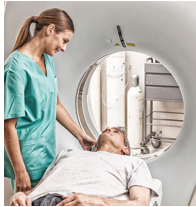
We will suggest you go for a lung cancer scan if we think you might get lung cancer in the future.
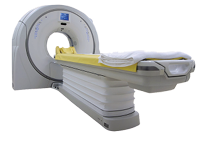
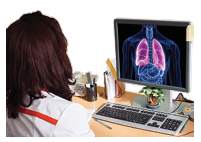
A scan is where we take pictures of the inside of your body.
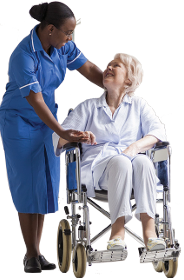
The nurse will help you choose whether the scan is right for you.
We will write to your doctor so they know about the check.
What is lung cancer?
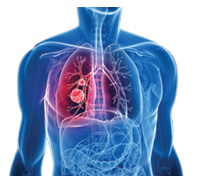
Lung cancer is one of the most common types of cancer.

At the start, there are usually no signs that you have lung cancer. You won't know that you have lung cancer.

Finding cancer earlier means that it can be treated.
We set up this lung health check se we can find and treat lung cancer early.
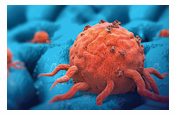
Lung cancer is when some of your cells grow to form a tumour in your lung.
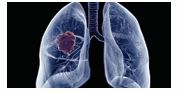
A tumour is a lump of cancer cells.
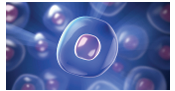
All of your body is made up of tiny cells.
What happens during a lung cancer scan?
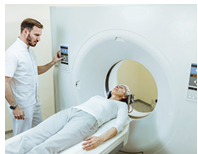
You will lie flat on your back on a bed that moves slowly into a machine called a scanner.
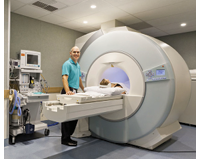
The scanner is shaped like a donut and it will move around your chest as your body passes through it.
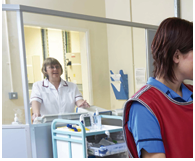
Staff control the scanner from behind a screen. You can see and speak to them during the scan.
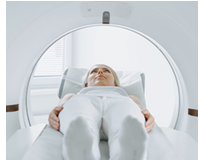
You will need to lie still for about 10 seconds. The staff will tell you how to breathe during the scan.

You won't feel anything. You will be able to eat, drink or drive as normal after your scan.
Choosing to have a scan

It's up to you have a scan or not.
Having a scan means that we are more likely to find problems early.

If we find lung cancer early:

- It can be cured
- The treatment is simpler
- You are less likely to die
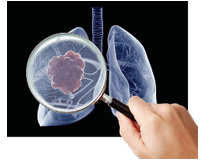
It is better to find your lung cancer when it is small, before it spreads to the rest of your lungs.
What is the harm for a scan?
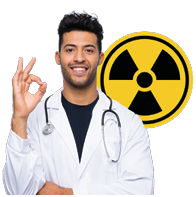
Radiation
A dose of radiation can cause harm. But we use a dose of radiation that is very low.

A wrong result
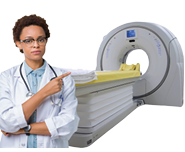
Sometimes the scan does not show that you have lung cancer. This is very uncommon.
Sometimes the scan shows that you may have lung cancer, but your don't.
This will lead you to having more tests, which can be worrying.
Sometimes the scan will pick up something that would never cause you any harm. This would also lead to more tests that may be worrying.
You will be supported throughout the process.
The results of your scan

You will get your results within four weeks. We will write to you and your doctor with the results of the scan.
The results may be:
1. We found nothing wrong

We will write to you with the results and ask you to come back for another scan in two years.

Three out of every four people who have a scan have nothing wrong.
2. You need another scan
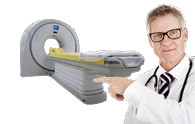
This usually means that we saw something that we need to check again.
We will write to you and your doctor and ask you to come for another scan.
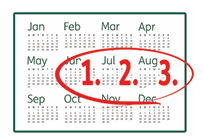
Usually it will be in 3 months time.
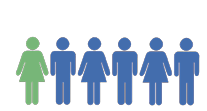
About 1 in every 6 people need to go for another scan.
3. Something wrong

This means we have seen something and we want you to come for more tests.
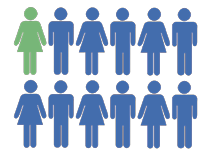
About 1 in every 12 people that we scan need to go for more tests.
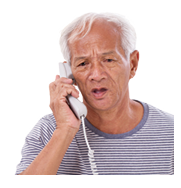
We will call you and write to the hospital so you can be seen by a doctor.
Around half of people who need more tests will have lung cancer.
4. Something else wrong
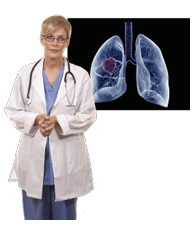
There is no sign of lung cancer but the scan makes us think you may have another problem.

You may need to see your doctor or another doctor.

We will write to you and your doctor.
Signs and symptoms of lung cancer
You need to look out for anything unusual like:

- A cough that doesn't stop

- Coughing up blood

- Being short of breath

- Getting very tired or losing weight

- An ache or pain when you breath or cough

- Not wanting to eat anything
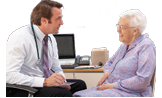
If you notice any of these things you should go and see your doctor.
Support to stop smoking
The best thing to reduce your chances of getting lung cancer is to not smoke.
If you do smoke and you would like to stop:

- Speak with your doctor

- Phone NHS Smokefree on 0300 123 1044
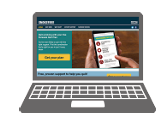
- Go to: www.nhs.uk/smokefree
For more information
If you need more information please contact:
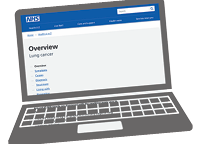
NHS Lung Cancer Information
www.nhs.uk/conditions/lung-cancer
NHS Smokefree
Cancer Research UK
www.cruk.org/about-cancer/lung-cancer
Phone: 0808 800 4040
Roy Castle Lung Cancer Foundation
www.roycastle.org/help-and-support
Phone: 0333 323 7200
Confidentiality
‘The Trust’s vision is to keep your information safe in our hands.’ We promise to use your information fairly and legally, and in-line with local and national policies. You have a right to understand how your information is used and you can request a copy of the information we hold about you at any time.
For further information on confidentiality contact the Information Governance Team:
Information.Governance@ncic.nhs.uk | 01228 603961
Feedback
We appreciate and encourage feedback, which helps us to improve our services. If you have any comments, compliments or concerns to make about your care, please contact the Patient, Advice & Liaison Service:
pals@ncic.nhs.uk | 01228 814008 or 01946 523818
If you would like to raise a complaint regarding your care, please contact the Complaints Department:
complaints@ncic.nhs.uk | 01228 936302